

-
I want to thank all the members that have upgraded your accounts. I truly appreciate your support of the site monetarily. Supporting the site keeps this site up and running as a lot of work daily goes on behind the scenes. Click to Support Signs101 ...
You are using an out of date browser. It may not display this or other websites correctly.
You should upgrade or use an alternative browser.
You should upgrade or use an alternative browser.
US Tariffs, Sigh!
- Thread starter JamesLam
- Start date

It's funny. Why name just Democrats?
They should investigate everyones name in the file. A child rapists is a child rapists, rich, poor, democrat, republican, male, female.... I think what trump doesn't understand is the majority of people want the Epstein files released because they want people to be held accountable - trump campaigned on releasing it.... Then it looks suspicious that he suddenly doesn't want to.
I still personally don't believe he was involved, at least not the way people insinuate - but it does feel like he's covering for some higher ups.
I say release all the files, let the hammer drop on those they have evidence against in the files.... None of this release a trove of files here, wait until it dies down then release another trove... Get it all out at once, investigate and prosecute those they have sufficient evidence for.
Calling them doctored files by the Democrats and democratic conspiracies, calling the Republicans who want it released weak, just makes it look like something's being hidden though..... Especially from a supposed transparent government
They should investigate everyones name in the file. A child rapists is a child rapists, rich, poor, democrat, republican, male, female.... I think what trump doesn't understand is the majority of people want the Epstein files released because they want people to be held accountable - trump campaigned on releasing it.... Then it looks suspicious that he suddenly doesn't want to.
I still personally don't believe he was involved, at least not the way people insinuate - but it does feel like he's covering for some higher ups.
I say release all the files, let the hammer drop on those they have evidence against in the files.... None of this release a trove of files here, wait until it dies down then release another trove... Get it all out at once, investigate and prosecute those they have sufficient evidence for.
Calling them doctored files by the Democrats and democratic conspiracies, calling the Republicans who want it released weak, just makes it look like something's being hidden though..... Especially from a supposed transparent government
XtremeXccessories
New Member
Hey everyone! Look over there!Let's see if China holds up their end of the bargin.
Trump battling on many fronts.
View attachment 179813
TradeBalanceBoss
New Member
Yes, I totally agree. Release the files and arrest every single one of them. Even if it causes disruption in the markets because I'm sure that some of these people are running infrastructure critical companies. The whole thing was most likely a honeypot to get leverage on people with a lot to lose.It's funny. Why name just Democrats?
They should investigate everyones name in the file. A child rapists is a child rapists, rich, poor, democrat, republican, male, female.... I think what trump doesn't understand is the majority of people want the Epstein files released because they want people to be held accountable - trump campaigned on releasing it.... Then it looks suspicious that he suddenly doesn't want to.
I still personally don't believe he was involved, at least not the way people insinuate - but it does feel like he's covering for some higher ups.
I say release all the files, let the hammer drop on those they have evidence against in the files.... None of this release a trove of files here, wait until it dies down then release another trove... Get it all out at once, investigate and prosecute those they have sufficient evidence for.
Calling them doctored files by the Democrats and democratic conspiracies, calling the Republicans who want it released weak, just makes it look like something's being hidden though..... Especially from a supposed transparent government
based congressman Tim Burchett tried to release the Epstein files and dems continue to block the release. What are they hiding ?

Prince Andrew got his titles stripped because of his involvement... Which obviously isn't enough, but my guess is they don't have enough proof to do more.Yes, I totally agree. Release the files and arrest every single one of them. Even if it causes disruption in the markets because I'm sure that some of these people are running infrastructure critical companies. The whole thing was most likely a honeypot to get leverage on people with a lot to lose.
based congressman Tim Burchett tried to release the Epstein files and dems continue to block the release. What are they hiding ?
View attachment 179822
The problem is most emails won't have concrete proof that can get people prosecuted, so it's kind of a half ass measure to release stuff since it'll mostly be hearsay - so I don't think much, if anything is going to happen with the file release criminal wise.
But by not releasing them you're still protecting people - then they feel like they got away with it, feel invincible... And continue to do shit. Where as if you find an email saying Bill Clinton was involved, even if he can't be arrested for it... He'll be on his best behaviour and people will be watching his actions... Then maybe, just maybe someone will be saved from future incidents. (Not saying Bill is involved like that, just using him as an example since this name keeps popping up)
But the emails can provide time lines, and lead to further investigations, who h may lead to prosecutions - but even if it doesn't... Doing something is better than doing nothing.
As to why the Democrats didn't release it - my guess is the same reason Trump was going to and then isn't.... A lot of powerful people are named, no one wants to throw their donors it friends under the bus. You can tell by the way Trump's acting.... Directing them to investigate a list of democratic names .. he doesn't want whatever republicans on the list to get caught up in the issue.
XtremeXccessories
New Member
The....Dems are trying to block the release? The ones that unanimously signed the petition to force Mike Johnson to hold a vote while only four republicans signed it? You'll just eat up whatevery they say, won't you?Yes, I totally agree. Release the files and arrest every single one of them. Even if it causes disruption in the markets because I'm sure that some of these people are running infrastructure critical companies. The whole thing was most likely a honeypot to get leverage on people with a lot to lose.
based congressman Tim Burchett tried to release the Epstein files and dems continue to block the release. What are they hiding ?
View attachment 179822
"His effort to bypass the typical legislative process was blocked. The request was ruled out of order by the senior Republican in charge of the House floor at the time, Rep. Steve Womack (R-Ark.), because it had not been cleared by bipartisan leadership beforehand, as is required for that specific procedure. "
TradeBalanceBoss
New Member
Where is all the stuff they pulled from Epstein Island?Prince Andrew got his titles stripped because of his involvement... Which obviously isn't enough, but my guess is they don't have enough proof to do more.
The problem is most emails won't have concrete proof that can get people prosecuted, so it's kind of a half ass measure to release stuff since it'll mostly be hearsay - so I don't think much, if anything is going to happen with the file release criminal wise.
But by not releasing them you're still protecting people - then they feel like they got away with it, feel invincible... And continue to do shit. Where as if you find an email saying Bill Clinton was involved, even if he can't be arrested for it... He'll be on his best behaviour and people will be watching his actions... Then maybe, just maybe someone will be saved from future incidents. (Not saying Bill is involved like that, just using him as an example since this name keeps popping up)
But the emails can provide time lines, and lead to further investigations, who h may lead to prosecutions - but even if it doesn't... Doing something is better than doing nothing.
As to why the Democrats didn't release it - my guess is the same reason Trump was going to and then isn't.... A lot of powerful people are named, no one wants to throw their donors it friends under the bus. You can tell by the way Trump's acting.... Directing them to investigate a list of democratic names .. he doesn't want whatever republicans on the list to get caught up in the issue.
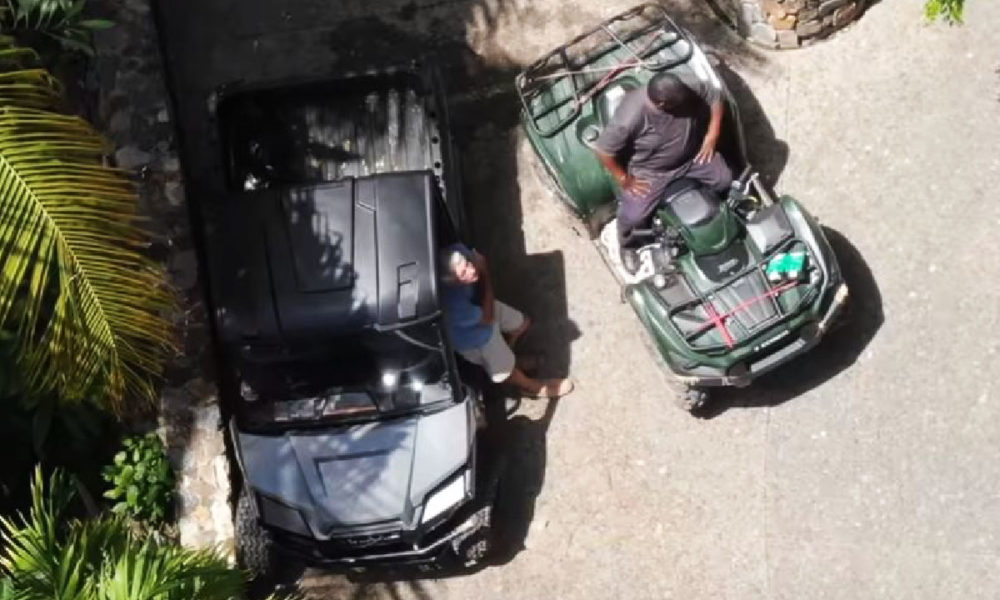
Strange Things Are Happening on Epstein Island: Drone Footage
Recent drone footage of Little Saint James reveals strange activity and telling facts about the Jeffrey Epstein investigation since his death. As expected, everything points towards a massive cover-up. Here are the most revealing images captured by drones in the past weeks.
 vigilantcitizen.com
TradeBalanceBoss
New Member
Oh wow so Womack was just doing what politicians do, lie and make it look like they are doing something. It's like watching retards play at bumper cars.The....Dems are trying to block the release? The ones that unanimously signed the petition to force Mike Johnson to hold a vote while only four republicans signed it? You'll just eat up whatevery they say, won't you?
"His effort to bypass the typical legislative process was blocked. The request was ruled out of order by the senior Republican in charge of the House floor at the time, Rep. Steve Womack (R-Ark.), because it had not been cleared by bipartisan leadership beforehand, as is required for that specific procedure. "
TradeBalanceBoss
New Member
Now we have to do our own investigations...
Tucker: Who is Thomas Crooks?
Tucker: Who is Thomas Crooks?

MP Custom
New Member
Are you a paid shill for trump? Do you worship him? Are you ok with him blowing Bubba?Obamacare is CRAP. They subsidized the crap out of it and now the subsidies are running out. My healthcare insurance went through the roof when they started obamacare. They corporatized the medical industry and turned doctors into corporations.
Nobody is brainwashed about "healthcare" except for the people who think "healthcare for all" is an atual "THING".
People arging for "healthcare" are actually arguing for "insurance". Under America's old system, we had private healthcare insurance and then medicaid and/or cash pay.
Obamacare set in place a requirement that everyone had to have insurance. Which corporatized medicine.
From what I understand Canadian medicine isn't any better.
And it's been long standing that people used to come to America for our healthcare system. But that is no longer the case because of obamacare. What a disaster.

Geneva Olson
Expert Storyteller
it LOOKS LIKE, you fall for every piece of propoganda that the democrat party sends out.Are you a paid shill for trump? Do you worship him? Are you ok with him blowing Bubba?

MikePro
Active Member
awesome!Trump just made a truce for one year with China!
not we can get china-direct, instead of thru-Canada
MikePro
Active Member
good news! canada can just import through us for 10%Oh wow, I didn't know Canada put a 25% tariff on China, that is pretty ballsy. ACM prices continue to be pretty solid over here.
We put it on aluminum only. USA has a 50% tariff on it.... Aluminum in Canada is way cheaper than in USA. Most things are cheaper to buy elsewhere than USA these days with how hard inflations hit and with the additional tariffs USA are taxing their customersgood news! canada can just import through us for 10%

TradeBalanceBoss
New Member
The printing of money (inflation) is a huge issue that needs to be fixed. Not really a laughing matter. Imagine working hard your whole life to the point where you are old and tired and you retire and are living off of your savings and social security check. Well guess what, all that you saved and that check you are getting is now only worth half. Everyone had the rug pulled right out of underneath them and they don't even really know.We put it on aluminum only. USA has a 50% tariff on it.... Aluminum in Canada is way cheaper than in USA. Most things are cheaper to buy elsewhere than USA these days with how hard inflations hit and with the additional tariffs USA are taxing their customers
Imagine working 40+ years, saving diligently, doing everything "right," only to have the government and Federal Reserve essentially confiscate a substantial portion of your life savings through monetary expansion. They didn't break into your account, but the effect is the same: your money is worth dramatically less.

Inflation has profound impact on purchasing power and retirement planning
Learn how inflation erodes purchasing power and impacts retirement planning. Discover strategies to protect your savings and maintain your standard of living as costs rise over time.
allianceam.com
How Inflation Impacts Retirement Savings | BlackRock
Learn how inflation affects your retirement savings and investments. Discover strategies to protect your financial future.
www.blackrock.com

The Impact of Inflation on Retirement Savings: Preparing for Rising Costs
As individuals approach retirement, one of the most pressing concerns is ensuring that their savings will last throughout their golden years. While many factors can impact retirement funds, inflation often goes overlooked. This article explores the effects of inflation on retirement savings, how...
 www.sasscpas.com
From December 2019 to December 2021, the U.S. money supply (M2) increased by 41%, which was the largest increase in modern American economic history

The truth about inflation is more nuanced than Biden or his critics suggest
The remedy is to stop printing money now, not to blame inflation on greedy companies.
 www.ocregister.com
This happened during the Trump and Biden administration with the knowledge of both the democrats and the republicans in congress. The president only has influence but no direct control over the process of printing the money anyways. It is the The Federal Reserve System which describes itself as "an independent central bank that sets the interest rates and makes monetary policy decisions which do not have to be approved by the president or by anyone else in the executive or legislative branches of government."
The Federal Reserve made the decision to dramatically increase the money supply, and this is widely acknowledged as a major contributor to the inflation that followed (I would argue that it is the main contributor to the inflation we have in the USA by a long shot). Milton Friedman famously stated: "Inflation is always and everywhere a monetary phenomenon in the sense that it is and can be produced only by a more rapid increase in the quantity of money than in output"
The Basic Theory
The relationship is described by the quantity equation: MV = PY, where:- M = money supply
- V = velocity of money (how fast money circulates)
- P = price level
- Y = real output (goods and services)
With a 41% increase in money supply over roughly two years, even if the economy was growing normally (say 3-4% per year), you'd expect significant inflation from the math alone. The COVID disruptions and supply chain issues likely made it worse, but the massive money supply increase would have been inflationary regardless.
The Covid-related inflation episode was yet another illustration of Milton Friedman's adage that 'inflation is always and everywhere a monetary phenomenon'. Leading central banks organized quantitative easing which led to 2020's money explosion and were therefore responsible for annual inflation peaking, after a fairly standard lag of about two years, at close to or above 10% in many countries. https://iea.org.uk/publications/the-quantity-theory-of-money-a-new-restatement/
What the Fed Did
On March 23, 2020, the Federal Reserve announced an unlimited quantitative easing policy. In the subsequent two years, the Fed created (printed money out of thin air) $5 trillion that they used to buy bonds from the Treasury, increasing the Fed's balance sheet from $4 trillion in the spring of 2020 to $9 trillion in the spring of 2022. https://www.cmegroup.com/openmarket...titative-Tightening-to-Address-Inflation.htmlThose actions contributed to the doubling of the size of the balance sheet, increasing the par value of assets held by the Federal Reserve from $4.2 trillion in the last quarter of 2019 to $8.8 trillion in the fourth quarter of 2021. https://www.cbo.gov/publication/58457
Inflation = When your money is worth less
"If tomorrow, the Federal Reserve announced that it was printing new paper currency and would give holders of U.S. dollars two dollars for every one dollar they turn in, what would happen to prices? They would double" https://www.ocregister.com/2022/01/...re-nuanced-than-biden-or-his-critics-suggest/ --- This is essentially what happened, just more gradually. The 41% increase in money supply means that, all else being equal, your dollars should lose roughly 41% of their purchasing power—and that's basically what we saw happen with cumulative inflation.The Hidden Tax
Inflation is often called a "hidden tax" because:- When the government spends money it doesn't have, the Fed creates new money
- This dilutes the value of all existing dollars
- Everyone holding dollars gets poorer as their savings buy less
- It's a way to fund government spending without explicitly raising taxes
The Fed created trillions of dollars from nothing, and this made everyone's existing dollars worth less.
Sorry for the book. Again...
MikePro
Active Member
imagine if we spent that 30trillion on infrastructure rather than circumcisions for africans and gay sesame street in india. (which is actually code for democerat campaign donation laundering and Hunter's cocaine budget)
hopefully automation lends itself to butt wiping tech, so i can keep my zero pink-eye streak going into my later years.
tariffs wouldn't even be a thing in a truly free society, but now their a necessity to right the ship.
hopefully automation lends itself to butt wiping tech, so i can keep my zero pink-eye streak going into my later years.
tariffs wouldn't even be a thing in a truly free society, but now their a necessity to right the ship.
You Blow Real Hard, Real HARDLet's see if China holds up their end of the bargin.
Trump battling on many fronts.
View attachment 179813

JBurton
Signtologist
Less of a book, more of a powerpoint. I find such a presentation to be a pain to read compared to a more conversationalist writing style.Sorry for the book. Again...
TradeBalanceBoss
New Member
Well that much information packed into that small of a space sort of is like a powerpoint. A whole chaptered book could be written about that subject. I condensed it down to what happened recently and how it works.Less of a book, more of a powerpoint. I find such a presentation to be a pain to read compared to a more conversationalist writing style.
ProSignTN is a gay.